Showing posts with label life long learning. Show all posts

Saturday, March 31, 2012

Kaleidoscope learning - part 2 - Questions!

I think of conferences and events as if they are a kaleidoscope, where every person will see it through their own lens, and hear information through their own filters. Imagine if you attended a conference and in addition to hearing from seasoned professionals and experts in various fields sharing their knowledge, you could then extend the conversation, and share your own point of view. Then you could hear another point of view, and another, and truly create a dialogue about a topic.  Dialogue that could lead to new ideas, solutions, innovations.

We live in a society where we are constantly fed information, and one where we take in most of the information without question. Our children know how to find information from TV, or maybe in newspapers, occasionally from books, and most often from the ubiquitous internet. What they are not being taught often enough is the skill of questioning, of not accepting everything at face value, of developing filters for information in their own minds, but also the ability to assess information without bias, and to turn the information prism like, looking for where the light shines through most brightly.
 
The stream of information and its availability on a 24/7 basis will continue to grow, the statistics are astounding (ie 24 hours of content uploaded every minute to YouTube) and the ability to assess what is important to us will remain critical.

From a conference perspective we must also find ways for our participants to process the information they hear and find ways they can make it relevant and applicable to their situations.  Imagine if at a meeting we allowed "prism" time, where participants are able to reflect, turn the information looking at it from the new point of view presented and how it fits into their own context, and to be able with others extend the conversations sparked by the sessions?  Imagine if questions were not only encouraged but integral to the sessions… imagine the possibilities.

Tuesday, March 22, 2011

Life Long Learning - Maximize the Experience

Life-long learning is no longer an option. It is a mandatory part of being involved in business.


With the world around us rapidly advancing, and statistics that show we may have up to seven careers, over a life-time, continuous professional development is more critical than ever. The learning can happen formally, through either a traditional classroom, or on-line, or at meetings and conferences. One of the keys to learning is creating opportunities for meaningful engagement with your community of learners and the generating of shared ideas.

When it has been identified that a meeting or conference is the best way to share information by a community - organization, association, school, social group, social / professional group for example, then it must be determined the best way to bring this community together.

The method you choose for delivery will have several factors that will play into this decision and may include


  1. What - the content you will deliver
  2. Who - and the potential learner expectations; goal of the learning ie. Highly technical or more tactile
  3. The driver of the learning, ie. Credits or extended credits required, personal development or a desire to share information
  4. How will you include spaces and times for the networking that is important?
  5. Is there a reason for celebration in the context of this particular meeting?
  6. How - the methods of delivery
  7. Where - origin of the attendees, the delivery destination, and then environment(s) you will deliver it in
  8. When - time of year, days of week, time required overall
    • and how immediate is the need
  9. Why is there a meeting - find clarity among your stakeholders! First, the goals of meeting. Are you seeking to educate? Motivate? Change perceptions? Affect change? Create a greater sense of community? 
Once you have determined the above, you may also consider other current models to share knowledge and engage community which may include a hybrid element, where a virtual audience may be included through the use of live feeds of learning streams, an opportunity to post questions and have dialogue with other remote and in-room learners via a moderated forum (such as a twitter stream). There are many advantages to this including geography, limits on time, financial considerations and primarily, the opportunity for pre and post engagement with the community members.

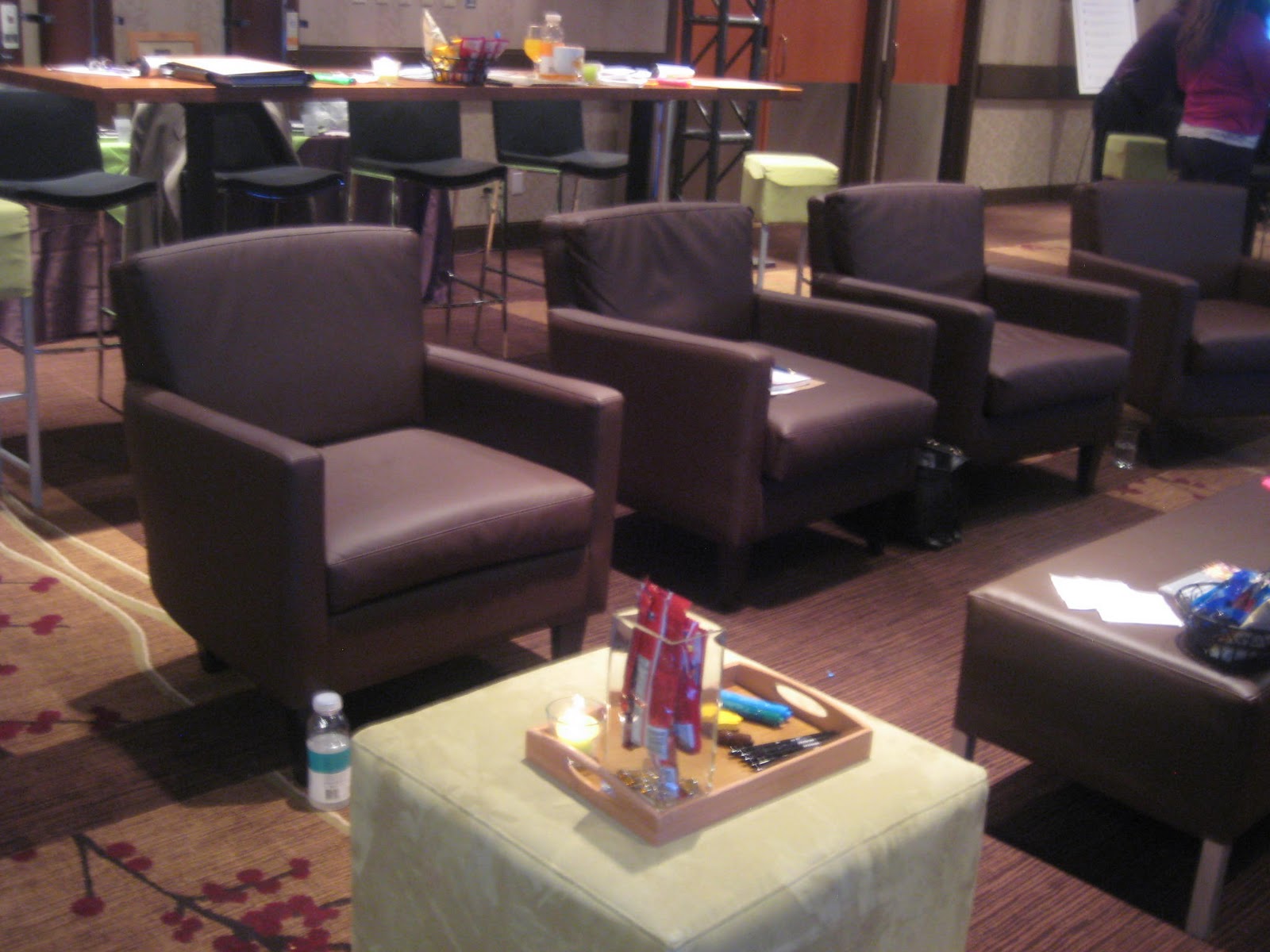
Now you have decided how you are going to bring people together, where, when and why, the next step is choosing the location and then setting an environment and designing programming that will actively engage learners, allowing for maximum take-aways. Consider alternative locations and room set-ups. Get out of the front facing theatre and get people talking to each other. If you have a keynote, have followup discussion pods, as an example. How to increase retention and motivation to do something with the information are key factors in what happens next, and in how valuable your attendees will find the meeting, especially when they reflect back, and consider your meeting for next year's budget planning - so pull out all the stops you can, take some calculated risks, and help people improve their life-long learning experience.

Any comments on how you are engaging your communities? Please share your thoughts!